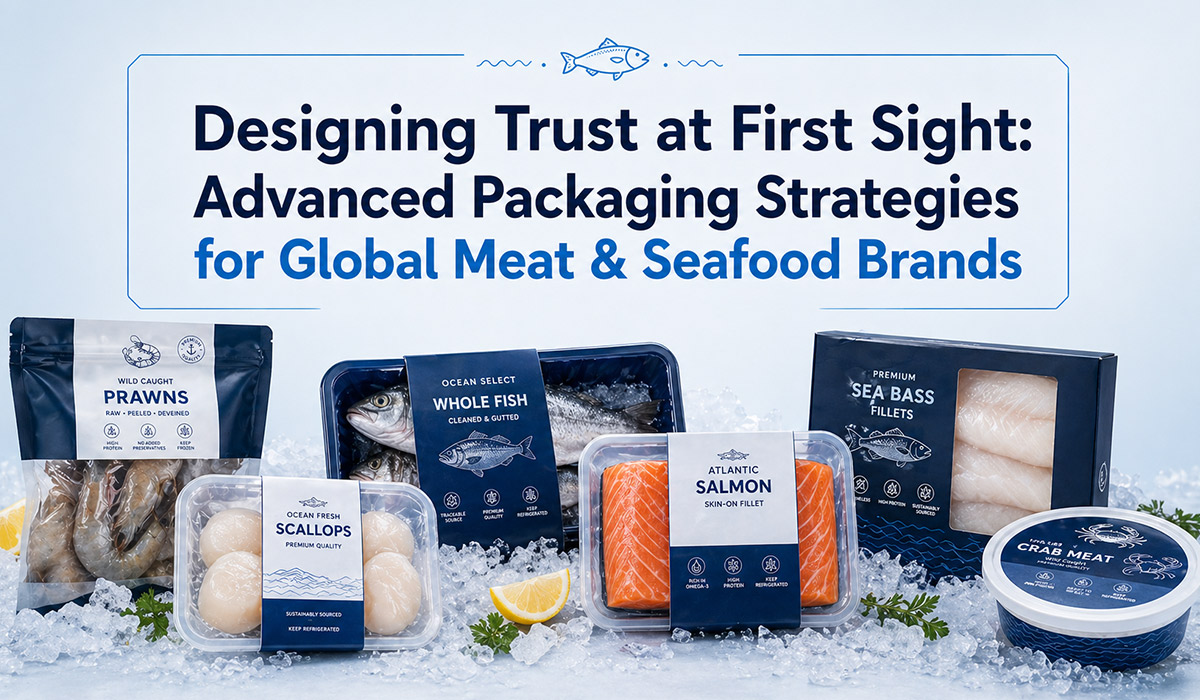
Designing Trust at First Sight: Advanced Packaging Strategies for Global Meat & Seafood Brands
In 2026, meat and seafood packaging is no longer just about protection — it is a business growth tool.
For startups entering the food segment, especially in urban India, packaging directly influences:
- First purchase
- Perceived hygiene
- Brand trust
- Repeat orders (especially in quick commerce)
The reality?
Consumers don’t trust new meat brands easily. Packaging is your first proof.
Market Trends: Why This Segment Is Booming
The fresh meat & seafood retail market in India has seen massive growth driven by:
- Quick commerce (10–30 min delivery)
- Rise of D2C brands
- Increased protein awareness
- Shift from wet markets to packaged meat
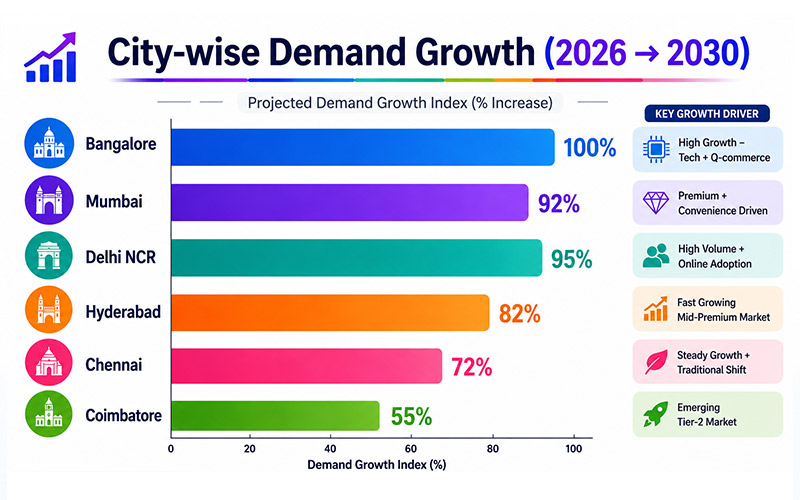
Growth Snapshot (Urban India – Estimated Trend)
Insight for startups:
Bangalore, Mumbai, and NCR are packaging-driven markets — people judge your brand before they taste your product.
What Customers Actually Look for (Not What Brands Think)
When a customer sees your meat pack, they are subconsciously asking:
- 1. Is this safe?
- 2. How fresh is this?
- 3. Can I trust this brand again?
Top 5 Decision Drivers in 3 Seconds
- Clean, leak-proof pack
- Visible product (or believable freshness cue)
- Clear date & storage info
- No clutter / no confusion
- Premium or hygienic feel
If your packaging fails here, price or quality won’t save you.
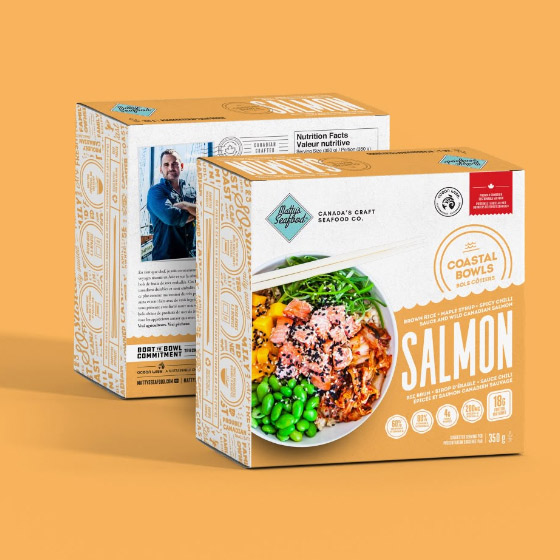
Real Pain Points Startups Must Solve Through Packaging
This is where most brands fail.
1. “It doesn’t look fresh”
Even if it is fresh, poor packaging kills perception.
2. “Looks like local shop repack”
No brand identity → no repeat purchase.
3. Leakage & smell issues
Huge trust breaker in delivery-based businesses.
4. Confusing labeling
Customers don’t want to “figure out” food.
5. No emotional connect
Completely transactional → zero loyalty.
Your packaging must solve these BEFORE marketing does.
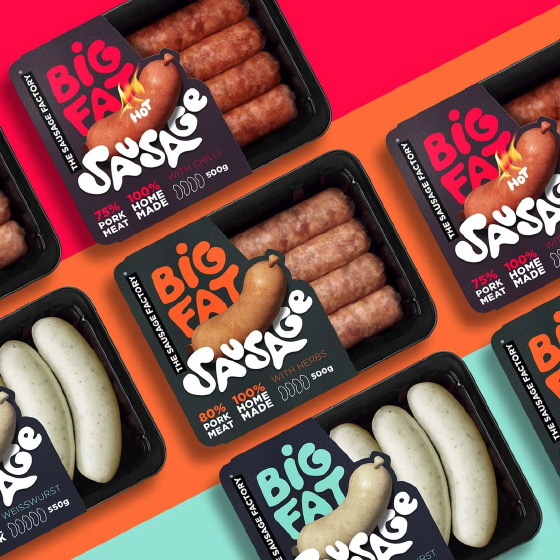
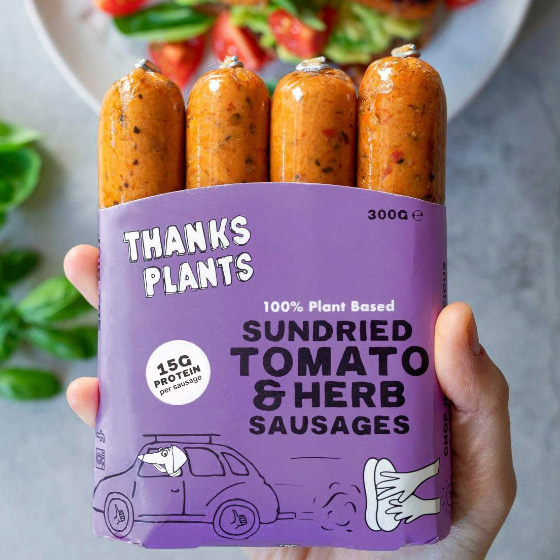
Packaging Strategy by Category
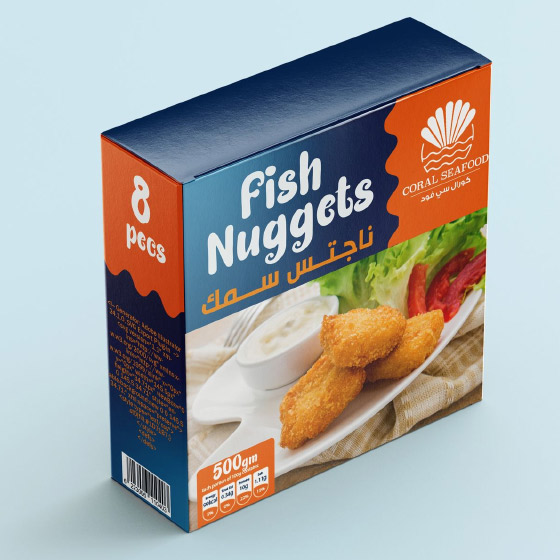
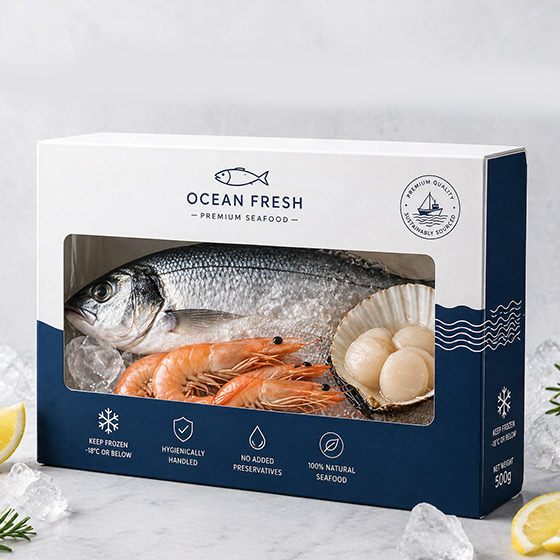
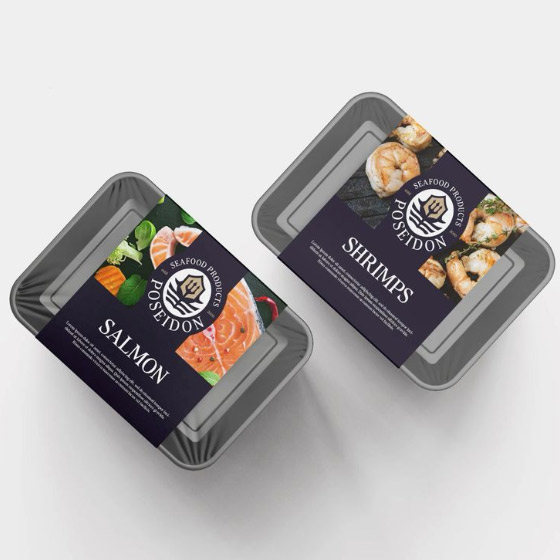
Creative Seafood Packaging Design for E-commerce
Seafood demands high-trust communication due to perishability.
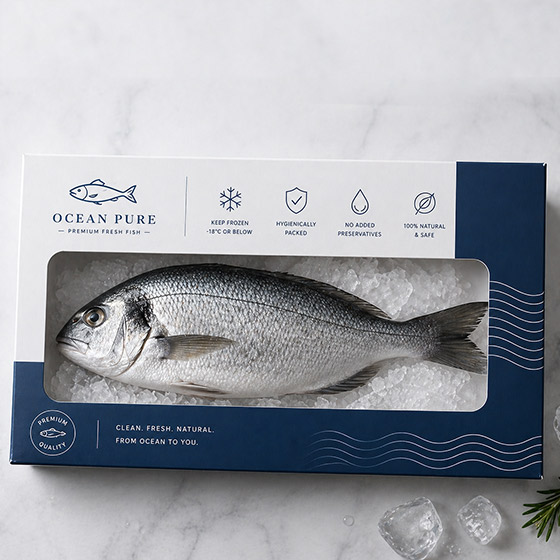
Effective creative seafood packaging design for e-commerce includes:
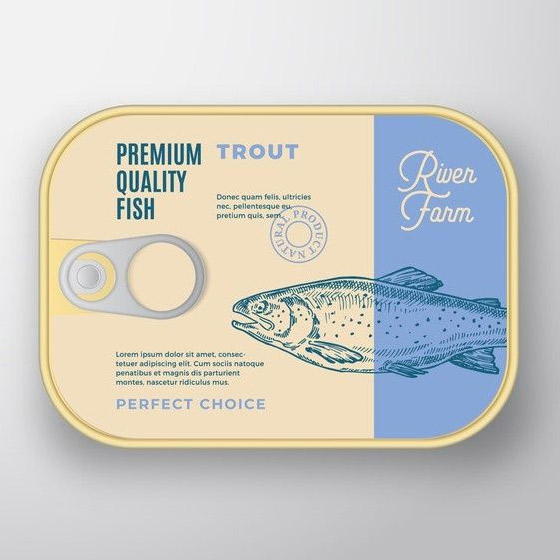
- Transparent or semi-transparent packs
- Blue/green tones for freshness cues
- Strong cold-chain messaging
- Leak-proof vacuum sealing
For D2C brands, packaging must survive delivery pressure + still look premium on arrival.
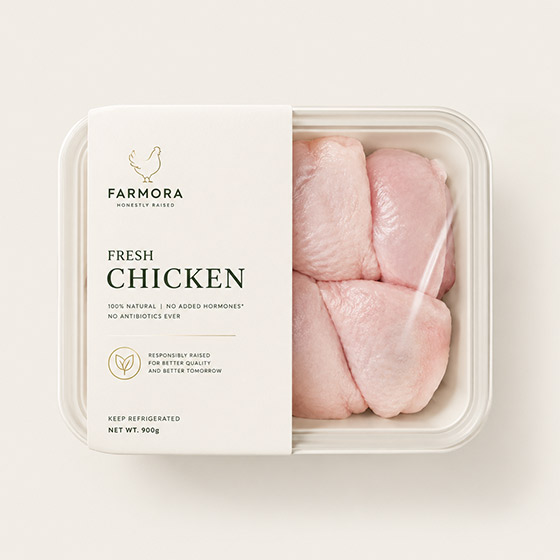
Chicken Packaging in New Style
Modern consumers prefer structured, minimal, and hygienic formats.
Chicken packaging in new style focuses on:
- Clean white or light-toned layouts
- Vacuum or tray-sealed packs
- Simple typography with clear cut identification
Over-design reduces trust. In poultry,
simplicity = hygiene perception
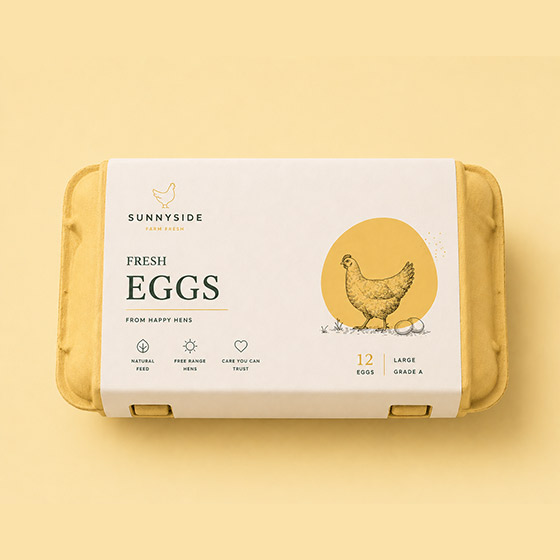
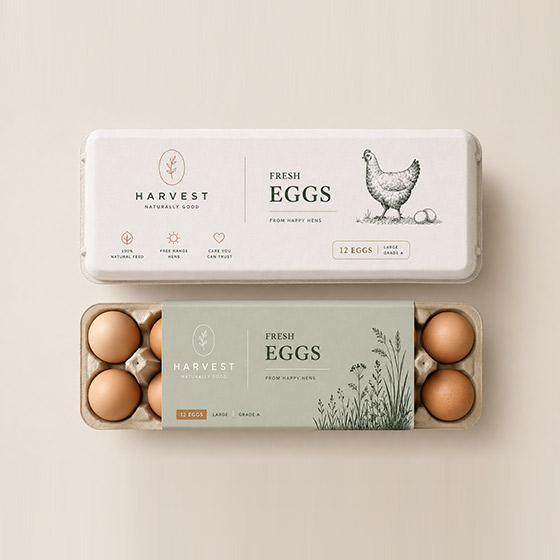
Egg Packaging Design for Quick Commerce
Eggs are one of the fastest-growing segments in quick commerce.
This has created demand for:
- Creative egg packaging for quick commerce market
- Easy and affordable egg packaging design
Modern egg packaging design must
- Prevent breakage during delivery
- Be lightweight and cost-effective
- Use molded pulp, recycled paper, or compact cartons
- Communicate freshness (farm fresh, free-range, etc.)
Smart startups are creating stackable, compact, and brand-focused egg packaging for delivery efficiency.
Brand Positioning Through Packaging
Your packaging must clearly answer:
Why should I trust THIS brand?
Instead of generic messaging, use sharp positioning:
- Antibiotic-Free Chicken
- Farm-to-Fork Traceability
- Packed in 60 Minutes
- Fresh Catch Seafood
Whether it’s meat packaging design or egg packaging design, clarity builds confidence.
Brand Positioning: Where Most Startups Go Wrong
Startups jump into:
❌ “We sell fresh meat”
❌ “Best quality meat”
That’s not positioning — that’s generic.
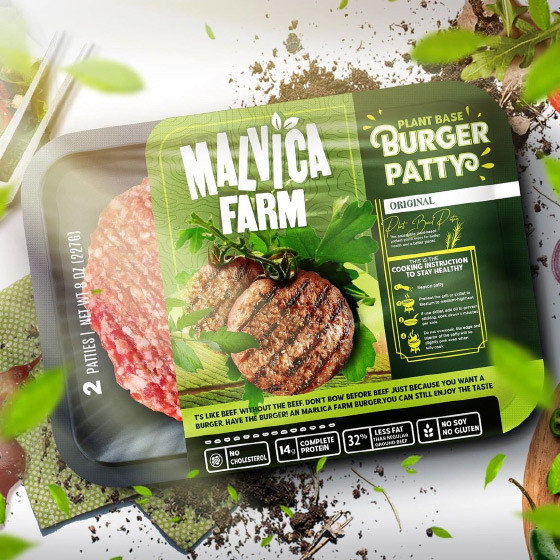
Winning Positioning Angles in 2026
- 1. Farm-to-Fork Transparency
- 2. Protein-Focused Lifestyle Brand
- 3. Hygienic Alternative to Local Butchers
- 4. Premium Gourmet Cuts
- 5. Quick Commerce Ready Fresh Meat
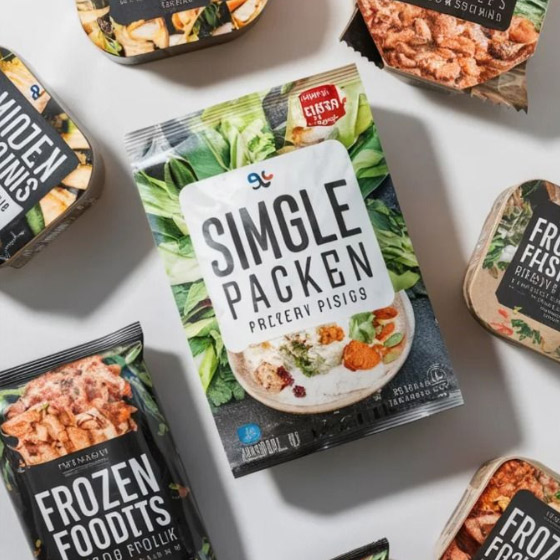
Your packaging must reflect this positioning visually.
Packaging Materials Trending in 2026
Startups must balance cost + perception + sustainability
1. Vacuum Skin Packaging (VSP)
- Premium look
- Longer shelf life
- High trust factor
2. Modified Atmosphere Packaging (MAP)
- Maintains color & freshness
- Used by mid-to-large brands
3. Recyclable Mono Materials
- Growing demand due to eco-awareness
4. Corrugated Secondary Packaging
- Important for D2C shipping
5. Compostable Films (Emerging)
- Premium niche brands using this
Startup Reality
Start with VSP or high-quality tray sealing, then upgrade to sustainability.
Colour Psychology That Actually Converts
- Red: Appetite + meat association
- Blue: Freshness + cold storage
- Green: Organic / antibiotic-free
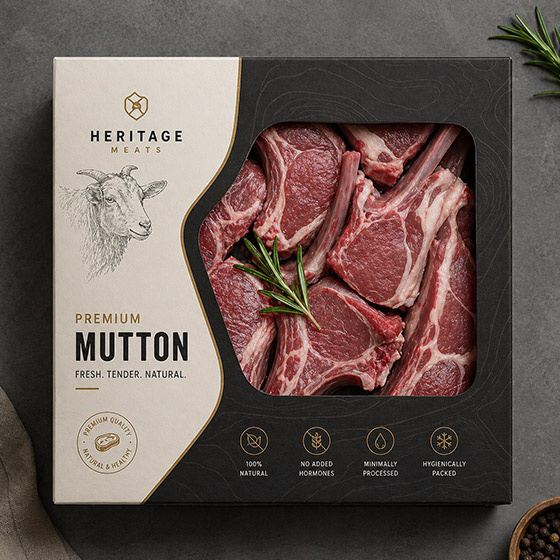
- Black: Premium / gourmet
- White: Hygiene / clinical trust
Don’t mix too many signals —
Clarity beats creativity in food packaging.
Smart Communication That Builds Trust Instantly
Instead of generic lines, use sharp communication:
❌ “Best Quality Meat”
✅ “Cut & Packed in 90 Minutes”
❌ “Fresh Chicken”
✅ “No Antibiotics | No Hormones”
❌ “Premium Lamb”
✅ “Grass-fed | Farm Raised | Traceable”
Packaging should answer questions before the customer asks.
Industry-Level Observations (What Winning Brands Do)
Successful meat startups:
- Keep packaging simple but sharp
- Focus heavily on trust signals
- Invest in material quality early
- Avoid over-branding
- Highlight process, not just product
Final Strategic Takeaway for Startups
If you are entering this segment, remember:
👉 You are not just selling meat
👉 You are selling trust, hygiene, and confidence
Your packaging must:
- Reduce fear
- Increase clarity
- Build emotional comfort
- Deliver a premium feel (even at mid pricing)
Conclusion
In today’s market, packaging is not an afterthought — it is your first salesperson.
From:
- Meat packaging design
- Chicken packaging in new style
- Egg packaging design
- Creative egg packaging for quick commerce market
- Affordable egg packaging solutions
- Creative seafood packaging design for e-commerce
Every element must work together to:
- Build trust
- Communicate freshness
- Create differentiation
- Drive repeat purchase
At Design Theme Innoventics, we design packaging that doesn’t just look good — it performs, converts, and builds brands in competitive markets.