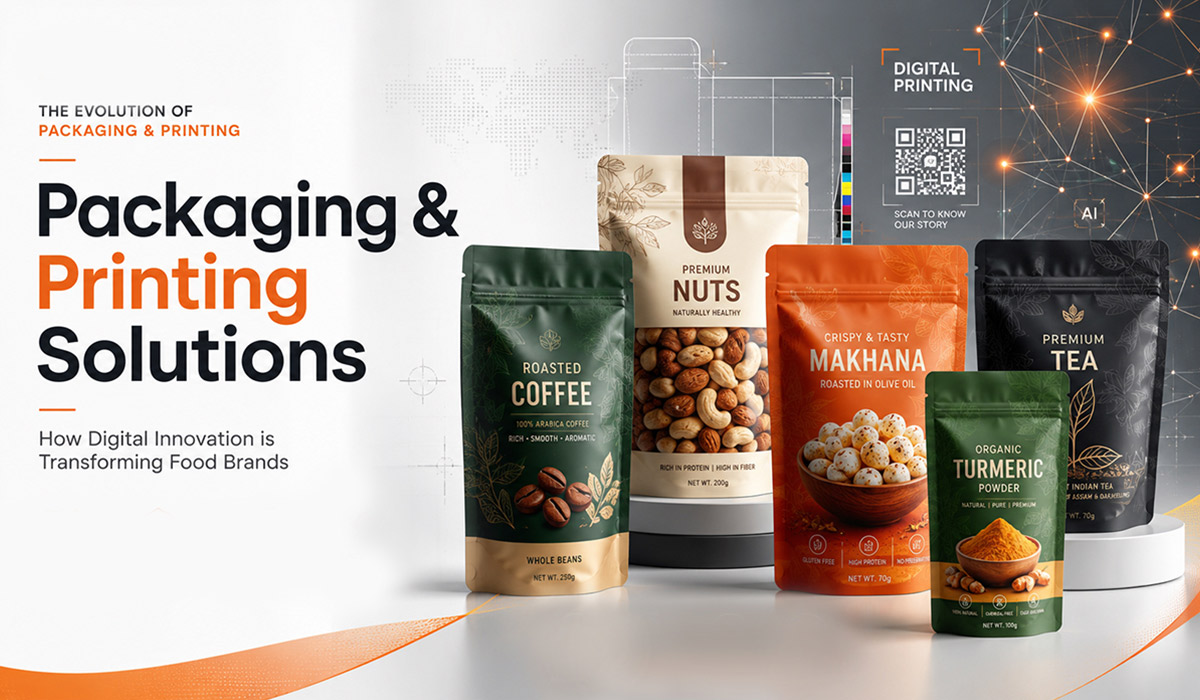
The Evolution of Packaging & Printing: How Digital Packaging Solutions Are Reshaping the Food Industry
Packaging Has Become a Growth Engine
A decade ago, packaging was largely considered a cost center—a necessary expense to protect products during transportation and storage.
Today, packaging has become one of the most powerful marketing assets a brand owns.
Consumers often encounter packaging before they experience the product itself. In supermarkets, online marketplaces, and social media, packaging now influences purchasing decisions, brand perception, customer retention, and even sustainability credentials.
The numbers tell the story.
The global packaging printing market was valued at approximately $417.8 billion and is projected to reach $615.7 billion by 2030, growing at a CAGR of 6.8%. Meanwhile, digital packaging printing continues to gain market share as brands demand shorter production runs, faster launches, and greater customization.
Packaging Industry Evolution: From Protection to Brand Experience
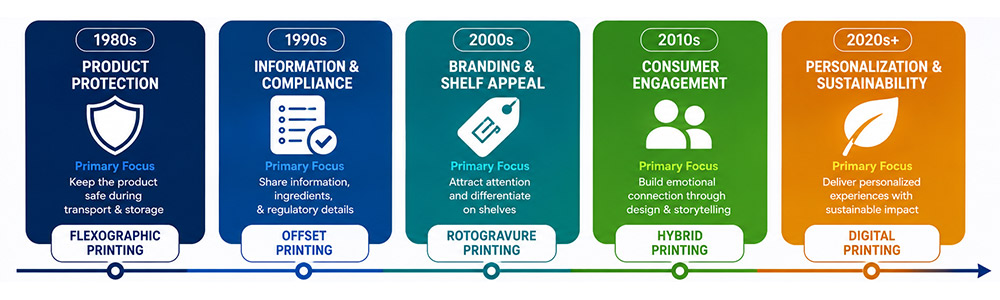
Today, consumers buy stories, not just products.
A premium coffee pouch, artisanal snack pack, or organic spice bag is expected to communicate:
- Product quality
- Brand values
- Sustainability commitments
- Traceability
- Premium positioning
Packaging has evolved into a silent salesperson.
The Rise of Digital Pouch Printing
Traditional packaging printing requires:
- Printing cylinders
- High setup costs
- Large minimum order quantities (MOQs)
- Long production lead times
Digital pouch printing changes the game.

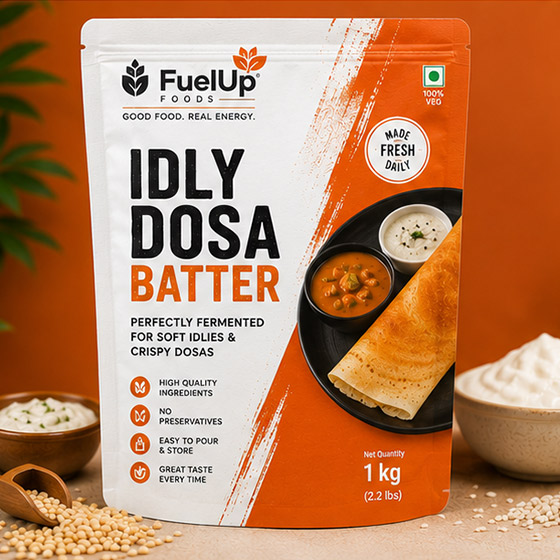
Why Brands Are Switching
- Low MOQ production
- Faster product launches
- Versioned packaging designs
- Seasonal campaigns
- Regional language packaging
- Better inventory management
The global digital printing packaging market reached approximately $27.7 billion in 2025 and is expected to exceed $37 billion by 2033, driven primarily by food, beverage, and consumer goods packaging.
Digital Printing vs Traditional Printing
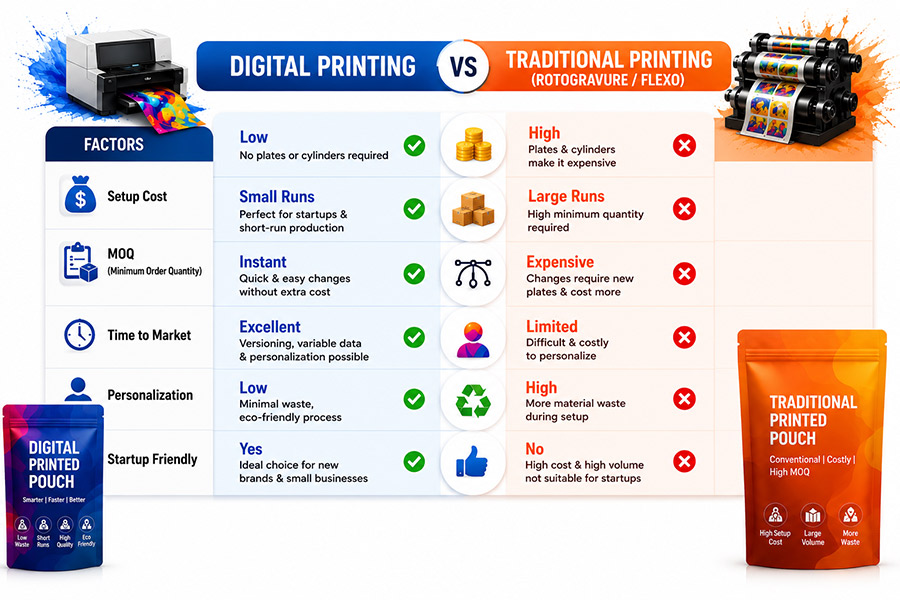
For startups launching snacks, millet products, spices, coffee, tea, dry fruits, and health foods, digital pouch printing can reduce launch costs significantly.
Why Stand-Up Pouches Are Dominating Food Packaging
The stand-up pouch market alone is projected to reach $48.4 billion by 2030, growing at roughly 8% annually.
Reasons Behind the Growth
- Lightweight transportation
- Better shelf visibility
- Lower material usage
- Convenient storage
- Resealable options
- Attractive digital printing compatibility
Industries Driving Demand
- Snacks
- Dry fruits
- Spices
- Coffee
- Tea
- Protein powders
- Pet food
- Ready-to-eat products
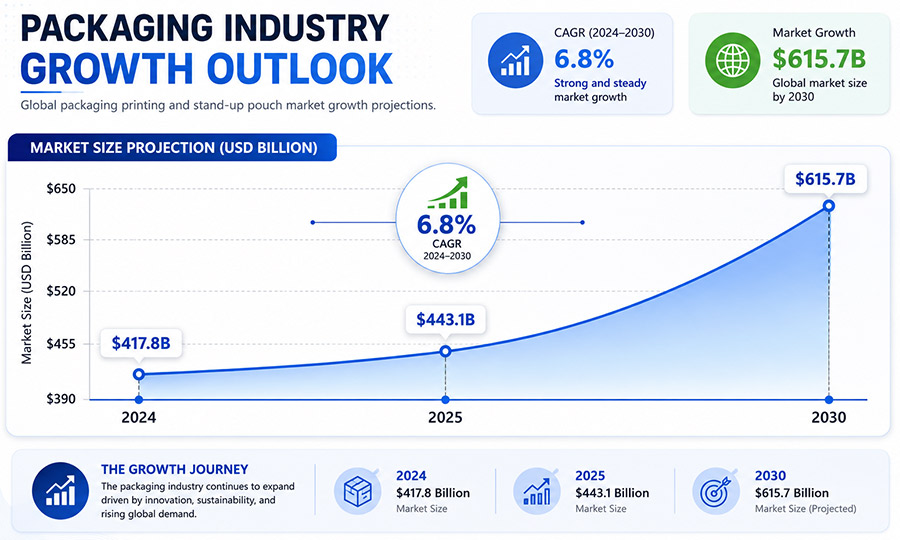
The trend is clear: packaging is growing faster than many traditional print segments because brands increasingly view packaging as a strategic investment rather than a manufacturing requirement.
How Packaging Helped a Food Startup Scale
Before Rebranding
A regional snack manufacturer sold products in generic transparent pouches with sticker labels.
Challenges:
- Low shelf visibility
- Weak brand recall
- Price-based competition
After Packaging Transformation
The company introduced:
- Custom stand-up pouches
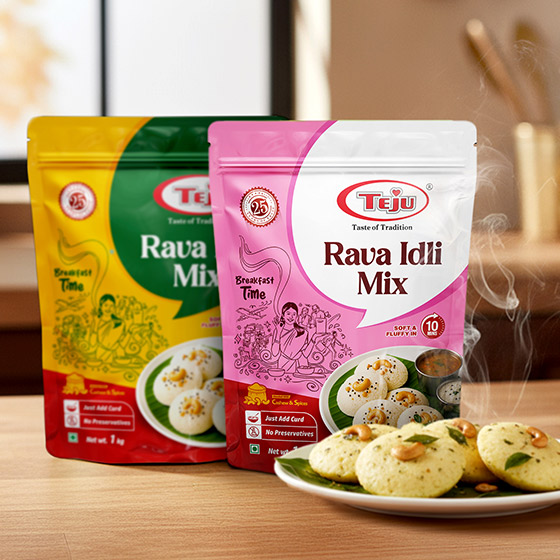
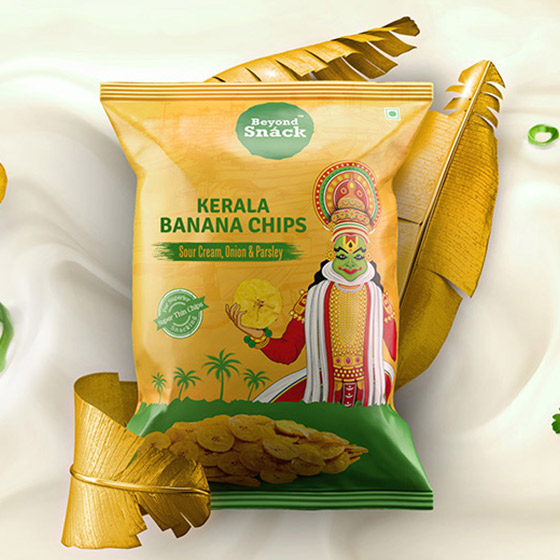
- Digital food packaging printing
- Consistent brand colors
- Premium product photography
- QR-enabled packaging
Results within 12 months
- Improved retailer acceptance
- Better shelf presence
- Increased repeat purchases
- Higher perceived product value
The lesson: consumers often judge product quality through packaging before tasting the product.
Top Packaging Trends Defining 2026 and Beyond
1. Sustainable Packaging
Consumers increasingly prefer recyclable, compostable, and biodegradable solutions. Many brands are reducing plastic usage and shifting toward eco-friendly packaging materials.
2. Smart Packaging
QR codes are becoming standard.
Benefits include:
- Product authentication
- Ingredient transparency
- Customer engagement
- Loyalty programs
- Traceability
3. AI-Driven Packaging Design
Artificial intelligence is beginning to influence packaging development through consumer behavior analysis, material optimization, and predictive design workflows.
4. Hyper-Personalized Packaging
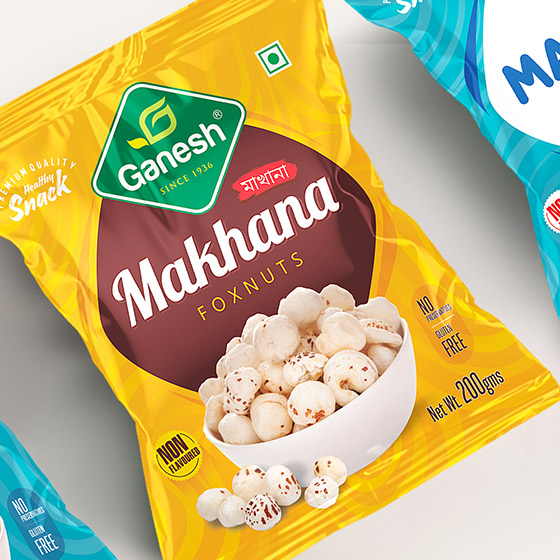
Digital printing allows brands to produce:
- Regional language packs
- Festival editions
- Limited releases
- Influencer collaborations
without investing in new printing plates.
5. Flexible Packaging Growth
Flexible packaging continues to outperform many rigid formats due to lower logistics costs and better sustainability metrics. It remains the largest segment in digital packaging printing.
The Future of Food Packaging Design & Printing Solutions
The future belongs to brands that combine:
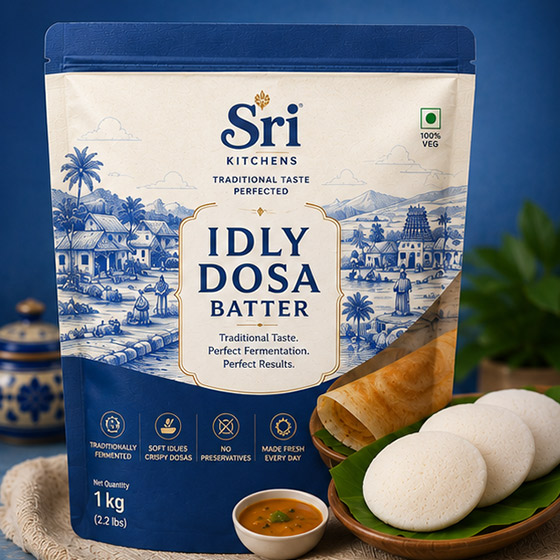
- Smart design
- Sustainable materials
- Digital printing technology
- Consumer-focused experiences
Food brands that embrace digital packaging early will gain faster product launches, stronger shelf visibility, lower inventory risk, and better customer engagement.
The next generation of packaging is no longer just about containing products—it’s about creating experiences, building trust, and driving growth.